
Central air diagnostics
Dacula AC Repair
Warm vents, iced lines or a condenser that keeps quitting. Parts get tested in order until the cause turns up, and the price comes before the fix.
An Air Conditioner Tells You What Is Wrong, If Someone Listens
Every failing AC leaves clues. Warm air with the outdoor fan still spinning points one direction. A condenser that hums and never starts points another. Ice on the suction line, water pooling by the furnace, a breaker that trips ten minutes after a reset: each symptom narrows the list. AC repair here follows that list in order. Thermostat and power first. Then the outdoor unit, where capacitors, contactors and fan motors fail most often under long summer run times. Then the indoor side: the evaporator coil, the blower, the drain line and its float switch. Gauge pressures and the temperature split across the coil reveal whether the refrigerant charge is correct or something is leaking. Only after the cause is confirmed does a price get written, and only after you agree does a part get changed. Before you call, a few checks are worth a minute. Is the thermostat on Cool and set below room temperature? Are both breakers on? Is the filter clogged? Has the drain safety switch shut the system off because of a full pan? If all of that looks fine, the problem needs testing equipment, and that is where a technician comes in.
Common AC Repairs
These are the faults that show up most often on Dacula service calls during a long cooling season.
Capacitors
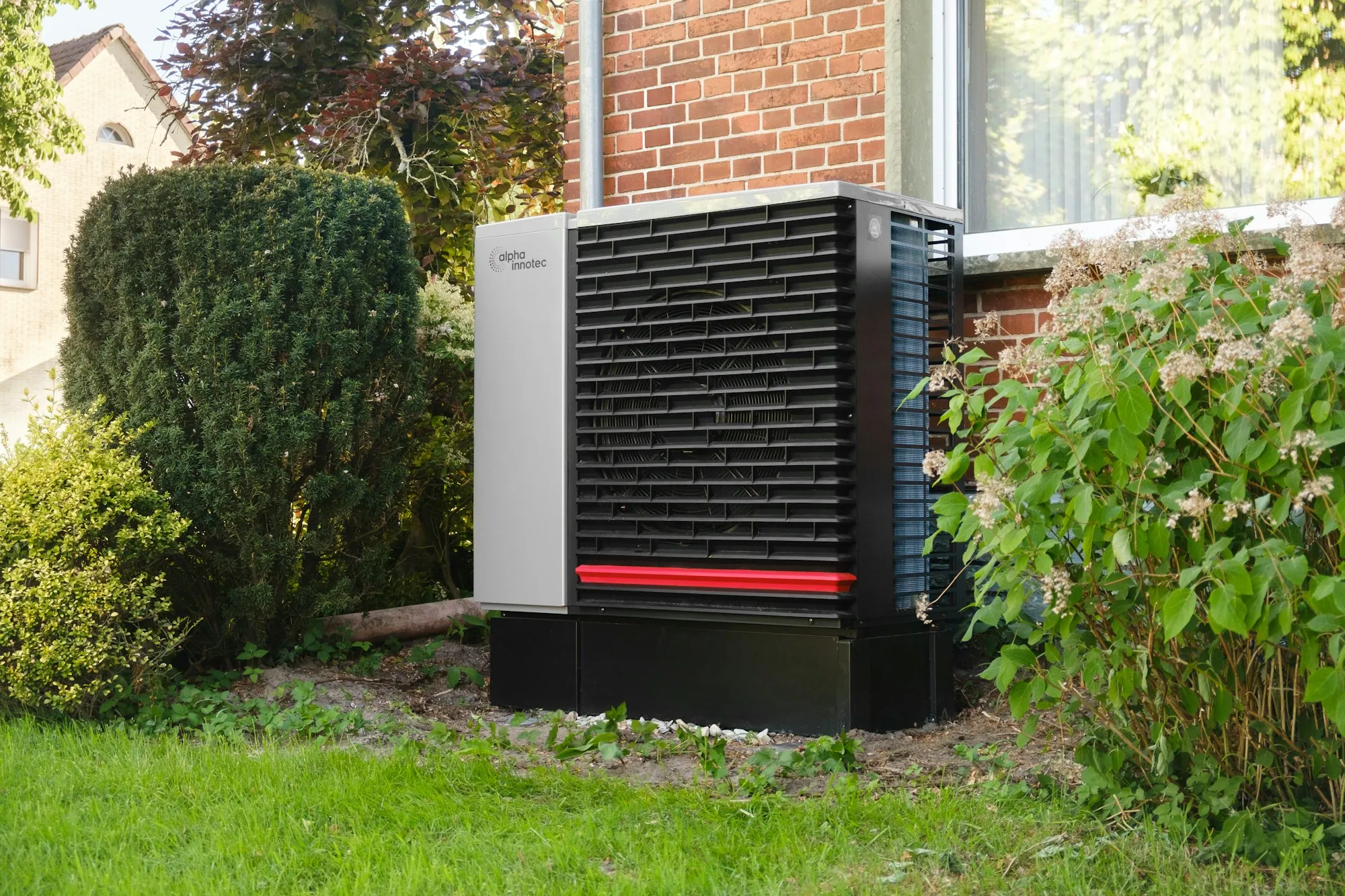
A capacitor that has weakened or failed can stop the compressor or the fan motor from starting. A frequent reason for a humming outdoor unit.
Contactors
Pitted or stuck contacts can keep the condenser from turning on, or keep it running when it should stop.
Condenser fan motors
When the outdoor fan stops, the unit overheats and shuts down on its own safety. Tested for amperage and bearing wear.
Frozen evaporator coils
Ice usually means low airflow or low refrigerant. The coil is thawed, then the reason it froze gets tracked down.
Refrigerant leaks
Low pressures mean refrigerant is escaping somewhere. The leak is located before any recharge is discussed.
Clogged drain lines
Algae and debris back the condensate up into the pan, trip the float switch or spill onto the ceiling below.
Short cycling
A system that runs for a few minutes and quits. Thermostat placement, a frozen coil, an oversized unit or an electrical fault are the usual suspects.
Controls and wiring
Thermostat wiring, low-voltage fuses and control boards checked when the system ignores what the thermostat asks for.
How an AC Repair Visit Runs
Symptoms on the phone
Tell the technician what the AC is doing, when it started and whether you see frost or water or hear something new. Sometimes a reset breaker or a fresh filter ends it right there.
Testing in order
Power, controls, outdoor unit, indoor unit and refrigerant circuit, one at a time. You hear the finding and the repair cost first.
Repair and verify
With the new part installed, the AC completes a long cooling cycle while the temperature drop across the coil is measured, proving it is doing its job again.
What Makes the Repair Hold
Cause, not just symptom
Swapping a capacitor without asking why it failed often means another call in a month. The reason gets checked too.
No surprise add-ons
The agreed repair is the repair that gets done. Anything else that turns up is described and priced separately.
Help any day of the week
Repair appointments are available every day of the week. After hours, breakdowns go to the emergency line.
- Parts tested one at a time
- Price before the repair
- Seven days a week
- Full cooling cycle tested
Lukewarm Vents and a Long Afternoon Ahead?
Describe what the air conditioner is doing. A technician will walk through the quick checks with you and, if those do not solve it, come find the actual fault.