
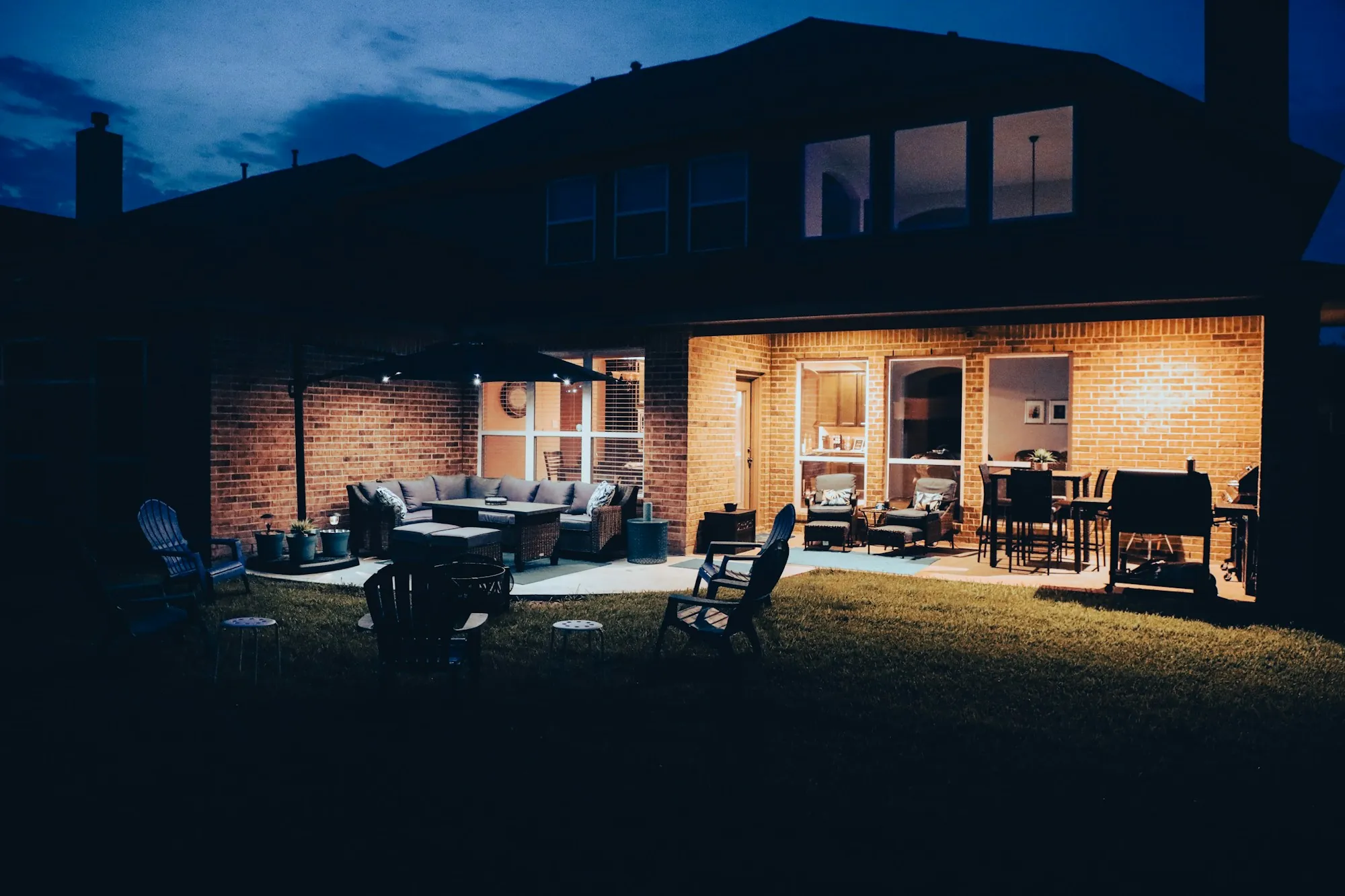
Breakdown after hours
Dacula Emergency HVAC Repair
If the equipment gives out after hours, a real person answers the emergency line, covers the first safe steps and gets a technician on the way.
Before the Technician Arrives
Equipment failures keep their own schedule. An AC that gives up halfway through a scorching week. A furnace that goes quiet when the thermometer drops below freezing. A ceiling stain spreading under an overflowing drain pan. A scorched or electrical odor drifting from the vents. A breaker that snaps off again the moment it is flipped back. Every one of those belongs on the emergency line, answered 24 hours a day. A few moves first make the situation safer. If you notice a hot smell or see water, kill it at the thermostat first and then, if the panel is safe to reach, at its breaker. A breaker that keeps tripping should be left off, not reset again and again. A gas odor changes everything: get everyone outside and contact the gas company or 911 ahead of every other step. After that, look after the people at home. Grandparents, babies and family members managing an illness are hit hardest by extreme indoor temperatures. In summer, gather them in the coolest room with the blinds drawn and fans running. In winter, settle everyone in one room with extra layers, and use only heaters rated for indoor use. On the call, walk through the sequence of events and anything you tried, so the technician knows what to bring and where to begin.
Emergencies the Line Handles
If one of these is happening, call rather than wait for morning.
No cooling in the heat
An air conditioner or heat pump that stops cooling when the house is getting dangerously warm.
Heat out in freezing weather
The house is losing warmth fast and neither the furnace nor the heat pump will start.
Water leaks
Overflowing drain pans, clogged lines or ice melt soaking ceilings, floors or the furnace.
Burning or electrical smells
A hot or burning odor from the vents or the equipment. Shut it off first, then call.
Tripping breakers
Repeated breaker trips point to an electrical fault. It needs testing, not one more reset.
Sudden racket
A metal-on-metal grind or a bang from the equipment usually means a motor or part is on its way out.
How an Emergency Call Works
Reach a person
Somebody answers the emergency line at any hour. Explain what is going on and any safety worries.
Make it safe
You get clear steps for the next few minutes: power off, water contained, family comfortable.
Diagnose and repair
A technician finds the cause, explains the fix and the price, and gets the system running or safely shut down until parts arrive.
Why the Emergency Line Matters
A real answer
A person picks up, not a recording that promises a callback sometime tomorrow.
Guidance before arrival
The first safe steps are covered on the call, so you are not guessing while you wait.
Same careful diagnosis
Night or day, the repair starts with finding the actual cause and stating the price.
- Answered at any hour
- Safe first steps
- Price before the repair
- Homes and businesses
Equipment Quit Tonight?
Smell something hot or see water? Shut it off, then pick up the phone. Someone is on the emergency line at any hour.